
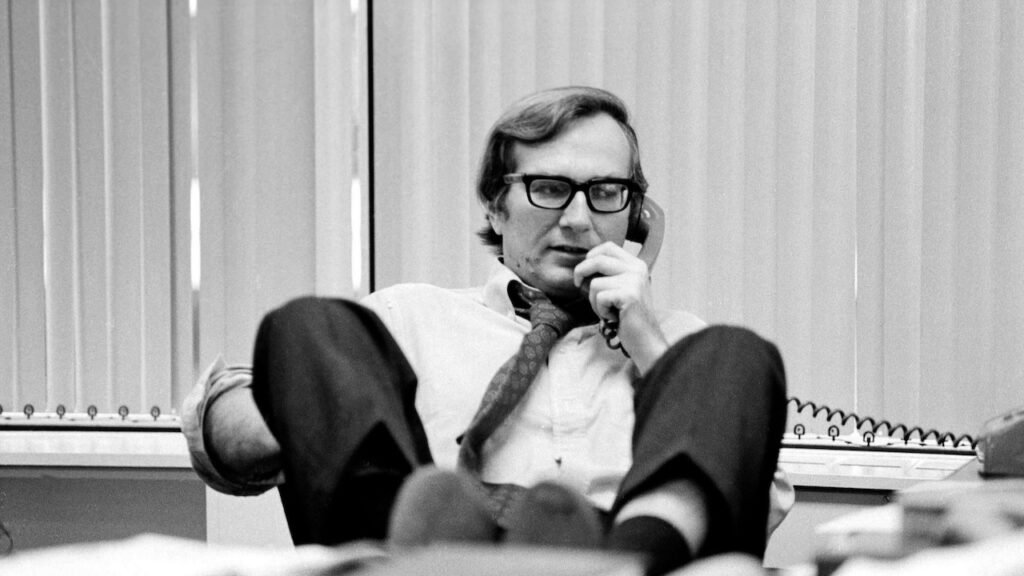
Directed by Oscar-winner Laura Poitras (Citizenfour) and Mark Obenhaus, Cover-Up (2025) is a political documentary that feels more like a thriller. It chronicles the 60-year career of Seymour “Sy” Hersh, arguably the most famous investigative journalist in American history.
Here is a breakdown of how the movie “goes”:
1. The Reluctant Subject
The film begins with a “meta” layer: Poitras spent 20 years trying to convince Hersh to do this movie. The 88-year-old Hersh is shown as a “grumpy, old-school” reporter who hates talking about himself and is paranoid about protecting his sources. At several points, he even threatens to stop filming if the camera gets too close to his confidential notes.
2. A Chronological Journey of Scandals
The movie moves through the major “cover-ups” Hersh exposed, using a mix of his personal archives, grainy footage, and interviews with other legends like Bob Woodward.
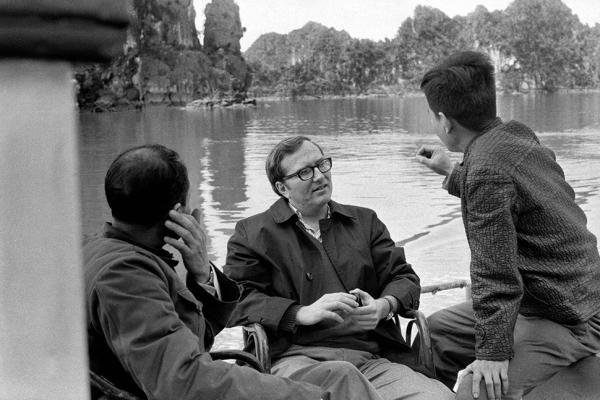
- The My Lai Massacre (Vietnam): How he found a single name of a soldier being court-martialed and uncovered the murder of hundreds of Vietnamese civilians.
- Watergate: His “competition” with Woodward and Bernstein, specifically proving that the Watergate burglars were being paid hush money by the White House.
- CIA Domestic Spying: Exposing “Operation Chaos,” where the CIA illegally spied on American anti-war activists.
- Abu Ghraib (Iraq): The film reveals new details about how he obtained the infamous photos of prisoner torture, including an interview with a source who had never spoken publicly before.
3. The “Process” of Truth
Rather than just telling history, the film focuses on the method:
- The Yellow Notepads: The movie lingers on his office, which is overflowing with stacks of yellow legal pads covered in messy handwriting.
- The Cost of Journalism: It shows the toll these stories took on him. He describes the weight of reporting on massacres as “30 years of life on my shoulders.”
- The Fallibility: It doesn’t ignore his mistakes, such as his controversial book on JFK (The Dark Side of Camelot), which relied on forged documents.
4. The Present Day (Gaza and Beyond)
The film ends by connecting the past to the present. It shows Hersh—still working at 88 via his Substack—taking calls from anonymous sources regarding the conflict in Gaza. It argues that the “cycle of impunity” (governments doing bad things and then covering them up) is a permanent part of the American system.